When searching for unique restaurants in New Orleans, most visitors never venture beyond the obvious tourist spots. But tucked away in the cobblestone streets and historic buildings of the New Orleans French Quarter, an extraordinary collection of hidden culinary gems awaits discovery. These aren't your typical Bourbon Street establishments—they're intimate spaces where innovative chefs, passionate bartenders, and cultural storytellers have created dining experiences that capture the true spirit of New Orleans.
From secret speakeasies beneath historic theaters to Filipino witch bars serving magical cocktails, the French Quarter has evolved far beyond its reputation as a tourist playground. These hidden restaurants represent a new generation of culinary entrepreneurs who understand that today's sophisticated diners crave authenticity, cultural connection, and experiences they can't find anywhere else in the world.
TLDR
• Secret speakeasies and cocktail sanctuaries: Double Dealer beneath the Orpheum Theater and Manolito's authentic Cuban cocktail culture offer exclusive drinking experiences unavailable anywhere else
• International flavors meet local soul: Zhang Bistro's authentic Asian cuisine and Tatlo's Filipino witchcraft theme prove that cultural fusion thrives in the French Quarter's diverse landscape
• Historic institutions with modern relevance: Napoleon House and Coop's Place preserve New Orleans traditions while serving contemporary diners seeking genuine local experiences
• Contemporary concepts redefining dining: Patula's courtyard elegance and Black Penny's neighborhood authenticity show how modern restaurateurs are creating new French Quarter classics
Ready to Experience New Orleans' Hidden Culinary Scene?
These unique restaurants represent just a taste of what awaits when you venture beyond the typical tourist trail in the French Quarter. From secret speakeasies to cultural preservation projects, each establishment offers something you can't find anywhere else in the world.
Make your New Orleans dining adventure complete by staying in accommodations that match the city's unique character. Book your stay with Roami and discover spacious, design-forward rentals that put you in the heart of the action while providing the comfort and amenities you need to fully explore everything the Crescent City has to offer.
Why New Orleans French Quarter Holds the Secret to Extraordinary Dining
Beyond the Tourist Traps: Authentic French Quarter Flavors
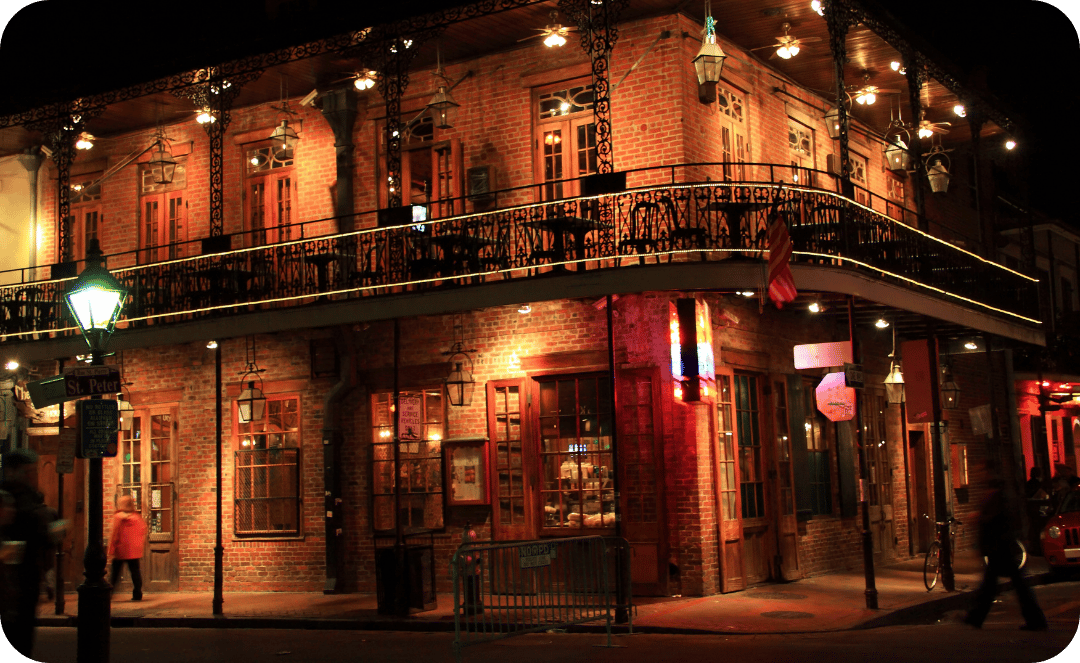
The New Orleans French Quarter has always been a melting pot of cultures, but today's hidden restaurant scene takes this diversity to unprecedented levels. While tourists flock to the same predictable spots, locals and in-the-know visitors have discovered a network of extraordinary establishments that serve everything from authentic Cuban cocktails to Filipino comfort food with a supernatural twist.
What makes these places truly special isn't just their food—it's their commitment to storytelling through cuisine. Each restaurant we'll explore has a deeper mission: preserving cultural traditions, introducing authentic international flavors, or creating entirely new dining concepts that reflect New Orleans' spirit of innovation and inclusivity.
Walking down Royal Street or exploring the quieter corners near the French Market, you'll find restaurants that prioritize quality over quantity, authenticity over accessibility, and cultural education over simple entertainment. These establishments understand that modern diners want more than just a meal—they want an experience that connects them to the rich tapestry of cultures that make New Orleans unlike anywhere else on earth.
Cultural Fusion in Historic Settings
The beauty of the French Quarter's hidden restaurant scene lies in how seamlessly international influences blend with local traditions. These aren't fusion restaurants in the conventional sense—they're authentic cultural experiences that happen to exist within the historic context of America's most European city.
Take the growing presence of Asian cuisine in the quarter, where restaurants like Zhang Bistro serve genuine Thai and Chinese dishes that would satisfy the most discerning palates in Bangkok or Shanghai. Or consider how Cuban cocktail culture has found new life through establishments like Manolito, where traditional Havana bar techniques are preserved and celebrated in intimate French Quarter settings.
These restaurants succeed because they respect both their cultural origins and their New Orleans context. They're not trying to recreate exact replicas of restaurants from other countries—they're creating something entirely new that honors multiple traditions while serving the diverse community of locals and visitors who call the French Quarter home, even if just for a few days.
Secret Speakeasies and Hidden Cocktail Sanctuaries
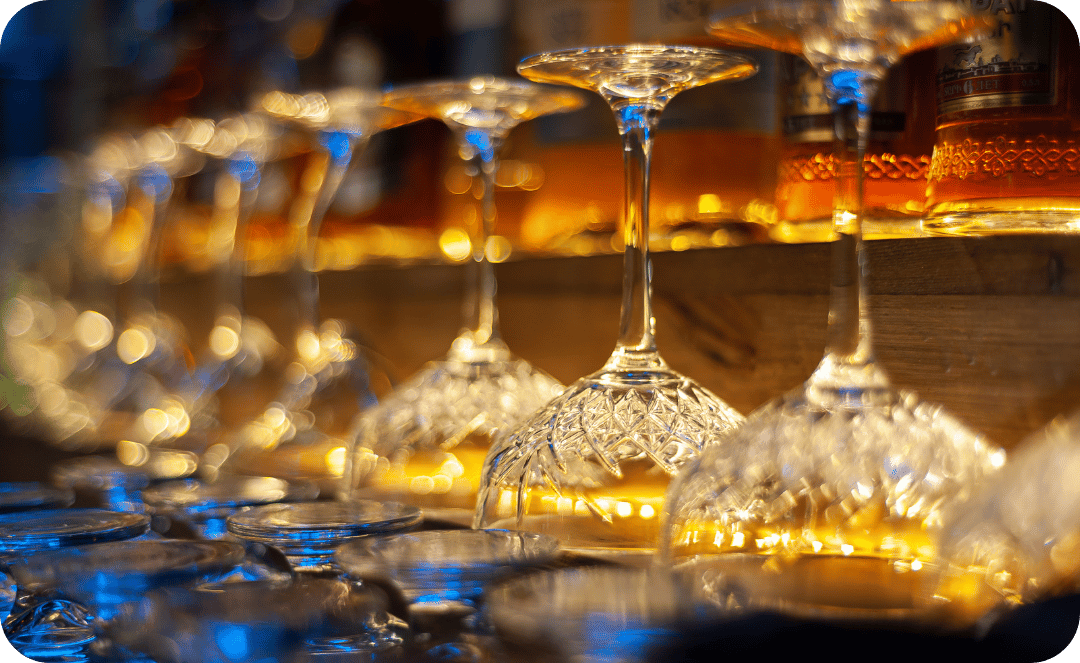
Double Dealer: A Theatrical Underground Experience
Beneath the historic Orpheum Theater, Double Dealer operates as one of the French Quarter's most exclusive hidden gems. This speakeasy-style cocktail bar transforms the theater's vaudeville-era backstage area into an intimate drinking den where patrons sip prohibition-era classics surrounded by antique velvet stage curtains and theatrical memorabilia.
The carousel bar setup includes four distinct rooms, each offering a different atmosphere for conversation and relaxation. What sets Double Dealer apart isn't just its concealed location—it's the venue's commitment to creating a complete theatrical experience. The bar regularly features live music and performances that complement the historical setting, making each visit feel like stepping back into New Orleans' golden age of entertainment.
The cocktail program focuses on classics that would have been served during the theater's heyday, with bartenders who understand that presentation and storytelling are as important as the quality of the spirits. The venue's connection to the Orpheum Theater provides authentic historical context that many modern speakeasies lack, creating an atmosphere that feels genuinely connected to New Orleans' entertainment heritage rather than simply mimicking prohibition-era aesthetics.
Manolito: Cuban Cocktail Culture Comes Alive
Named after Manuel "Manolito" Carbajo Aguiar, a legendary bartender from Havana's El Floridita, Manolito serves as both a cocktail bar and a cultural preservation project. This intimate establishment pays homage to Cuban bartending traditions that have been passed down through generations, with bartenders trained in the exact techniques developed by Constante Ribalaigua nearly a century ago.
The bar's dedication to authenticity extends far beyond its impressive selection of dark rum—every daiquiri, mojito, and classic Cuban cocktail is prepared using traditional methods that most modern bars have long abandoned. The result is an experience that transports visitors to 1950s Havana while remaining firmly rooted in the French Quarter's unique atmosphere.
Industry recognition has been overwhelming, with James Beard Award-winning professionals praising Manolito as serving "the best frozen cocktails in all of the United States." The bar's success demonstrates that modern drinkers appreciate authenticity and craftsmanship, even when it requires more time and skill than contemporary preparation methods. Each visit becomes an education in Cuban cocktail culture, making Manolito as much a cultural institution as a drinking establishment.
International Flavors Meet New Orleans Soul
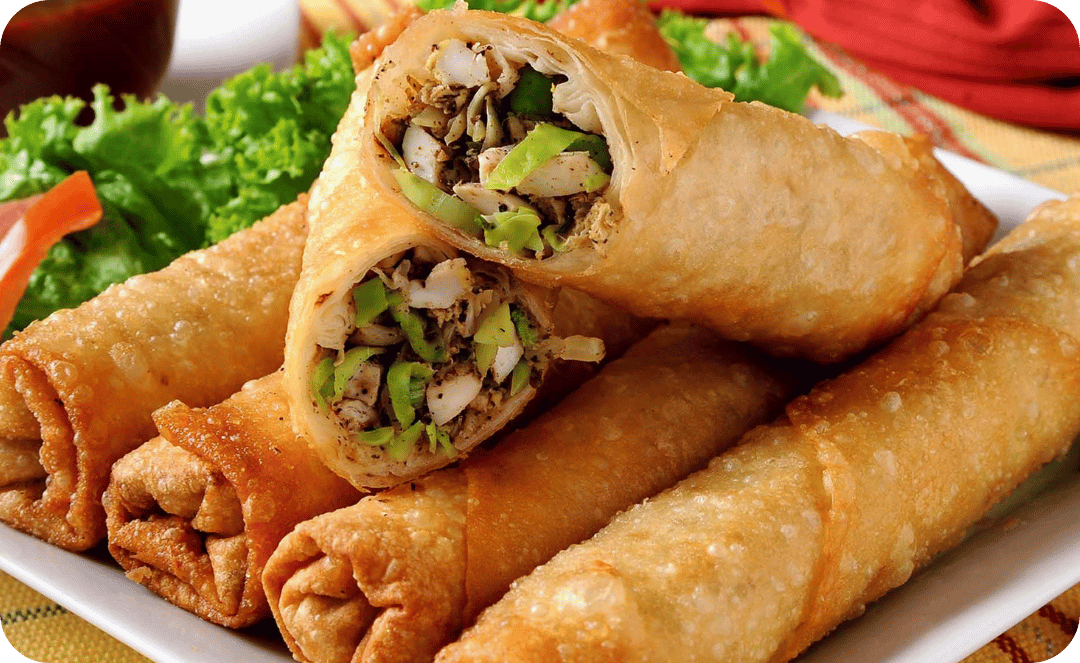
Zhang Bistro: Asian Fusion in the Heart of the Quarter
Zhang Bistro represents the successful integration of authentic Asian cuisine within the French Quarter's diverse culinary landscape. Since opening in 2021, this restaurant has quietly built a reputation for serving genuine Thai and Chinese dishes that satisfy both homesick Asian visitors and adventurous local diners seeking flavors rarely found in traditional New Orleans restaurants.
The menu travels from China to Thailand while maintaining respect for traditional dishes and preparation methods. Chef-owner Zhang's approach involves updating classic recipes with contemporary presentation while preserving their essential character and cultural significance. The restaurant's Chinese Szechuan tofu has earned particular praise from vegetarian diners, with one customer describing it as "probably the best vegetarian dish that I've eaten outside of home in the past year."
What sets Zhang Bistro apart from typical ethnic restaurants is its commitment to education alongside excellent food. The staff takes time to explain dishes, cooking methods, and cultural context, transforming each meal into an opportunity for cultural exchange. The restaurant's location on Decatur Street positions it perfectly for both locals seeking authentic Asian flavors and tourists ready to expand their culinary horizons beyond traditional Creole and Cajun offerings.
Tatlo: Filipino Witchcraft and Culinary Magic
Perhaps no restaurant in the French Quarter offers a more unique concept than Tatlo, where Filipino cuisine meets witchcraft in an atmosphere that's both mystical and welcoming. Chef and owner Cristina Quackenbush, a practicing witch and former chef at the acclaimed Milkfish restaurant, has created something entirely unprecedented: a restaurant where each dish comes with descriptions of its potential magical properties alongside traditional preparation methods.
The menu features updated Filipino classics like kare-kare (renamed "Peanut Butter and Belly") that incorporate modern cooking techniques while maintaining cultural authenticity. Quackenbush's approach involves understanding both the culinary and spiritual significance of ingredients, creating dishes that nourish the body while acknowledging food's deeper connections to healing and community.
The restaurant's atmosphere supports its conceptual framework through carefully curated design elements, including deep ocean blue walls, witchy artwork, and Spanish moss from City Park hanging from the rafters. Ornate absinthe fountains at the bar and a tarot reader providing readings for guests create layers of entertainment that extend far beyond traditional restaurant service models. The result is an experience that appeals to customers interested in alternative spirituality while remaining accessible to diners who simply appreciate theatrical dining and exceptional Filipino food.
Historic Institutions with Timeless Appeal
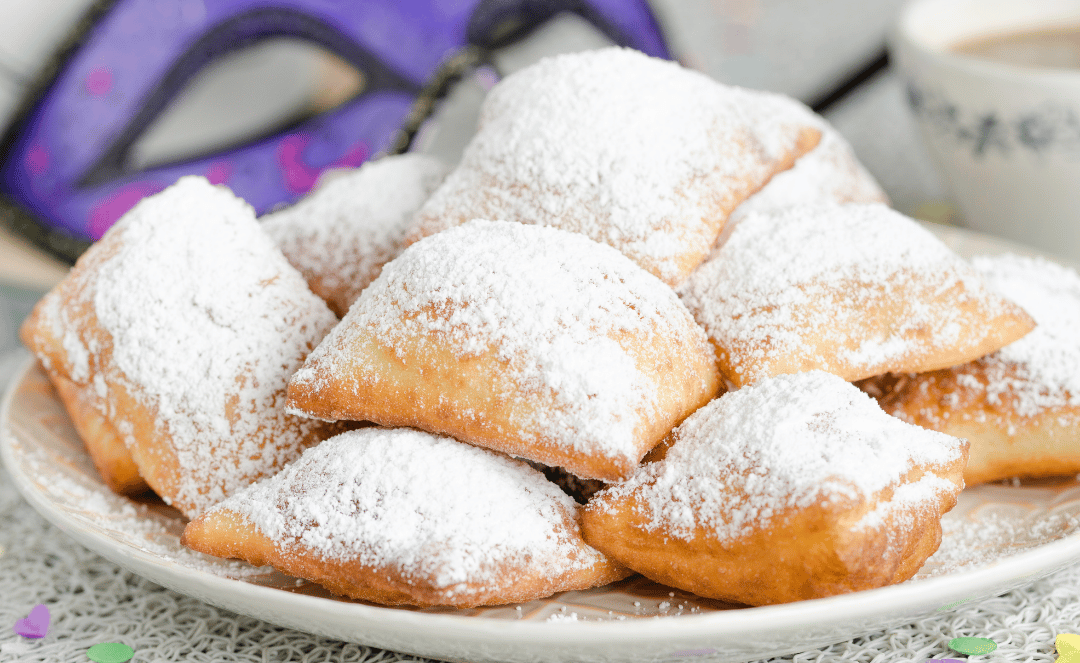
Napoleon House: Where History and Flavor Intersect
Napoleon House stands as one of the French Quarter's most historically significant dining establishments, representing over a century of continuous operation and cultural preservation. Owned by the Impastato family since 1914 and currently operated by Ralph Brennan, this restaurant has maintained its essential character while adapting to serve contemporary diners seeking authentic New Orleans experiences.
The restaurant's signature muffuletta represents both culinary excellence and cultural preservation, serving as a tangible connection to New Orleans' Italian-American heritage. Everything is made from scratch in-house, with the additional step of warming that intensifies flavors for a uniquely delicious experience. This commitment to traditional preparation methods sets Napoleon House apart from establishments that prioritize efficiency over authenticity.
Napoleon House's historical significance extends beyond its longevity—the restaurant introduced the Pimm's Cup to American markets, with Uncle Joe Impastato's entrepreneurial vision creating lasting cultural impact. The establishment's classical music, historic atmosphere, and traditional service create an immersive experience that suspends visitors "in time," offering relief from contemporary concerns while providing a genuine connection to New Orleans' culinary heritage.
Coop's Place: Authentic Local Dive with Serious Creole Soul
Coop's Place exemplifies the successful preservation of authentic New Orleans dining culture within the increasingly commercialized French Quarter environment. This dive bar atmosphere and extensive Cajun-Creole menu provide genuine local experiences that contrast sharply with tourist-oriented establishments, earning loyalty from service industry workers and local residents who serve as powerful testimonials to its authenticity.
The restaurant's seafood gumbo, barbecue shrimp, and turtle soup represent traditional New Orleans cooking at its finest, prepared using time-honored methods that create the complex flavors serious food lovers seek. The Coop's Taste Plate provides comprehensive introductions to local culinary traditions by combining multiple traditional preparations in single servings, serving educational purposes for unfamiliar diners while providing exceptional value.
Coop's Place succeeds by maintaining its essential character as a neighborhood gathering place while adapting to serve tourists seeking genuine New Orleans experiences. The restaurant's willingness to accommodate shared seating and communal dining creates opportunities for social interaction that enhance the overall experience, while extensive hours and flexible service options ensure accessibility for different customer segments throughout the day and evening.
Contemporary Concepts Redefining French Quarter Dining
Patula: Courtyard Elegance Behind Royal Street
Patula represents a sophisticated brand extension executed perfectly, transforming the courtyard space behind KREWE eyewear's flagship store into an intimate all-day café and wine bar. This concept demonstrates how retail brands can successfully expand into hospitality while maintaining their core identity and enhancing the customer experience.
Chef Rob Tabone's seasonal menu focuses on dishes designed to pair effortlessly with natural wines, cocktails, and espresso, creating versatility that supports all-day service from morning coffee seekers to evening wine enthusiasts. The restaurant's peaceful courtyard setting provides relief from the French Quarter's often overwhelming street-level energy, creating a community respite that serves both locals and visitors.
The integration with KREWE's retail operations creates unique cross-selling opportunities while providing customers with complete lifestyle experiences that extend beyond simple dining. Customer reception has been particularly positive regarding both the atmosphere and food quality, with visitors appreciating the thoughtful menu development and intimate outdoor environment that makes Patula feel like a secret garden in the heart of the tourist district.
Black Penny: Neighborhood Vibes in the Quarter's Heart
Black Penny occupies a unique position as a neighborhood bar that successfully balances local appeal with tourist accessibility. Located at the edge of the French Quarter, this craft beer-focused establishment provides an authentic neighborhood atmosphere while remaining convenient for visitors seeking genuine local experiences beyond the main tourist areas.
The bar's focus on craft beer, particularly local Louisiana breweries, demonstrates a commitment to supporting regional producers while providing customers with beverages that reflect local tastes and preferences. The dive bar atmosphere, described by customers as "dimly lit with dark wood and brick inside," creates an environment that contrasts sharply with tourist-oriented establishments while appealing to customers seeking authentic local experiences.
Recent additions, including a taco pop-up with a homemade salsa bar, demonstrate Black Penny's ability to evolve and expand its appeal without compromising its core identity as a neighborhood gathering place. This approach to menu development reflects an understanding of contemporary dining trends while maintaining the bar's essential character, creating additional revenue opportunities while providing customers with more comprehensive experiences that extend visit duration.
Essential French Quarter Food Experiences You Can't Miss
Traditional Dishes That Define New Orleans
No exploration of unique French Quarter restaurants would be complete without understanding the traditional dishes that form the foundation of New Orleans cuisine. While café du Monde remains famous for its beignets and café au lait, the hidden gems we've explored offer more complex interpretations of local classics that provide a deeper understanding of the city's culinary heritage.
French toast at these establishments often incorporates local bread and unique preparations that elevate the humble dish into something extraordinary. Crab cakes benefit from Gulf Coast seafood that arrives fresh daily, while olive salad preparations showcase the Italian influences that have shaped New Orleans cuisine for generations.
The crawfish cream sauce found at several establishments demonstrates how traditional Louisiana ingredients can be transformed into sophisticated preparations that appeal to contemporary palates while honoring their cultural origins. These dishes represent the evolution of New Orleans cuisine, where traditional techniques meet modern presentation and service standards to create experiences that satisfy both nostalgia and contemporary expectations.
Modern Takes on Classic Flavors
Today's unique French Quarter restaurants excel at reinterpreting traditional flavors for contemporary diners while maintaining respect for their cultural significance. This approach allows restaurants to introduce unfamiliar dishes to American diners while preserving their essential character and meaning.
Modern preparations of traditional dishes often involve updated cooking techniques, contemporary plating styles, and ingredient sourcing that reflects current sustainability and quality standards. However, the most successful establishments understand that innovation must serve the dish rather than overshadowing its cultural importance.
The result is cuisine that feels both familiar and surprising, honoring New Orleans' culinary heritage while demonstrating its continued evolution. These restaurants prove that tradition and innovation can coexist successfully when approached with respect, skill, and understanding of both cultural significance and contemporary dining expectations.
Frequently Asked Questions
What makes these New Orleans restaurants different from typical tourist spots?
These hidden gems focus on cultural authenticity and quality over volume, serving sophisticated diners who seek genuine experiences beyond conventional tourist offerings. Unlike typical tourist restaurants, these establishments prioritize New Orleans food traditions, international cultural preservation, and intimate atmospheres that create meaningful connections between diners and New Orleans' diverse culinary heritage.
Can I find good French bread at these unique restaurants?
Many of these establishments make their bread in-house or source from local bakeries that specialize in traditional New Orleans bread-making techniques. The French market area has influenced bread traditions throughout the city, and several restaurants we've featured incorporate these traditional methods into their daily operations, ensuring authentic textures and flavors that complement their cuisine.
Do these restaurants accommodate Friday lunch reservations?
Most of these unique establishments offer lunch service, though availability varies by restaurant and season. It's recommended to check directly with each restaurant for their current Friday lunch schedule, as some operate limited hours or require advance reservations, particularly during peak tourist seasons when dining room space fills quickly.
What role does Chef Alfredo play in New Orleans' unique dining scene?
While specific chef details vary by establishment, many of these unique restaurants are led by passionate culinary professionals who bring international experience and cultural knowledge to their kitchens. These chefs understand how to pay homage to traditional techniques while creating dishes that appeal to contemporary diners seeking authentic cultural experiences.
Are these restaurants suitable for special occasions or just casual dining?
These establishments range from casual neighborhood bars to sophisticated dining rooms suitable for special celebrations. The diversity of concepts means you can find appropriate venues for any occasion, from intimate date nights in theatrical speakeasies to casual group meals featuring crawfish cream sauce and other local specialties in relaxed, authentic atmospheres.
How do these unique restaurants contribute to New Orleans' food culture?
These establishments serve as cultural preservation projects, educational experiences, and community gathering places that maintain New Orleans' reputation as a world-class dining destination. They introduce international influences while respecting local traditions, creating a dynamic food scene that serves both residents and visitors seeking authentic experiences that extend beyond typical tourist offerings.